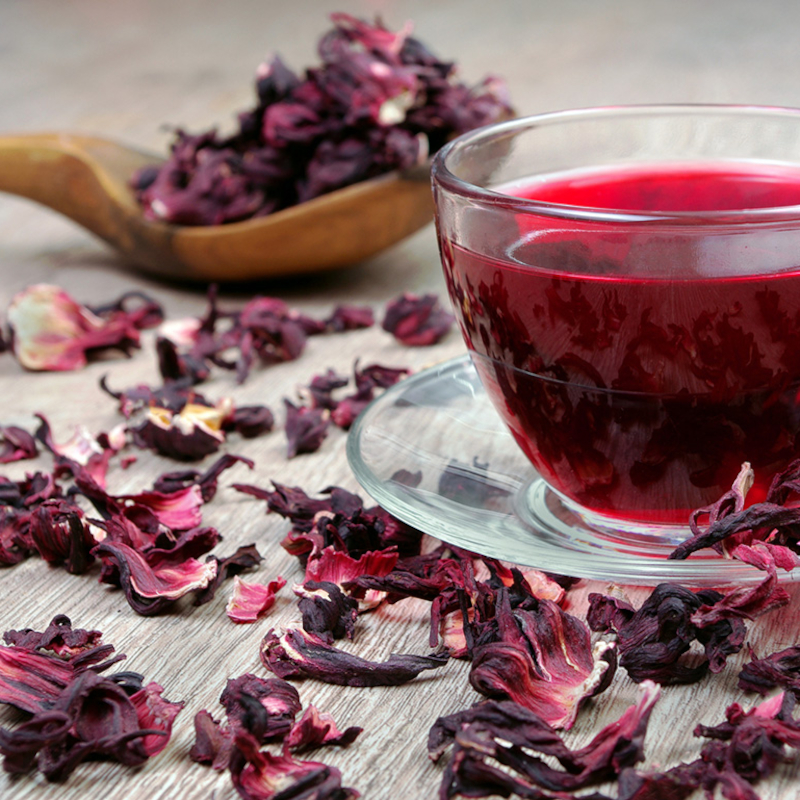
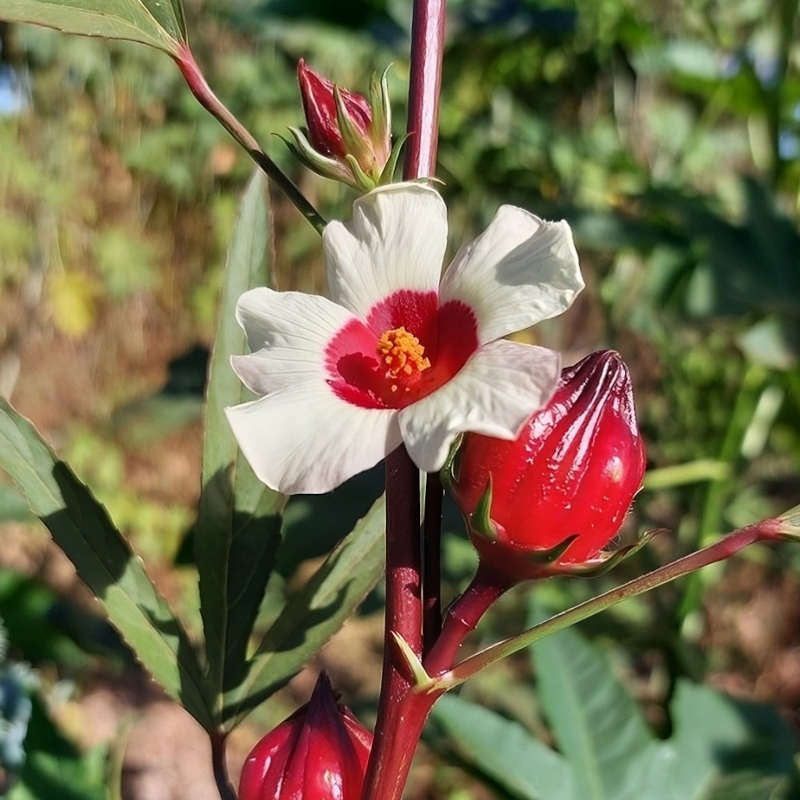
Dried hibiscus calyces are used primarily for making a tart, ruby-red herbal tea, also known as roselle tea, and for adding a natural red color to food and drinks To decide which product is right for you, choose based on your desired application: whole calyces are best for brewing traditional teas or punches, while powdered or cut forms are better for making extracts, adding to mixes, or cooking.
For making traditional tea and festive punches
Dried Hibiscus calyces (whole or cut): Best for traditional brews and punches due to their classic flavor and vibrant color.
• Pros: Releases a rich, tart flavor and beautiful color when steeped. Popular in recipes like Jamaican sorrel punch.
• Cons: Whole pieces may need to be broken or ground before brewing for a stronger flavor.
Dried Hibiscus powder (Roselle Hibiscus): Ideal for quickly infusing flavor and color or for making beverages without a lot of bulk.
• Pros: Fast-acting and easy to mix into liquids for a potent flavor and color. according to Addictive Wellness, “This technique preserves the delicate cellular structure and integrity of sensitive compounds within Roselle.”
• Cons: May not be as suitable for traditional, slow-brewed recipes.
For natural coloring and cooking
Hibiscus powder: Excellent for adding a natural red dye to foods without significantly altering the flavor.
• Pros: Convenient for recipes where you want to avoid chunky calyces, such as baked goods, sauces, or desserts.
• Cons: Can sometimes impart a slightly sour taste if used in high amounts.
Hibiscus calyces (whole or cut): Can be used as a souring ingredient in soups and stews.
• Pros: Offers a tangy flavor to balance rich dishes, such as in some traditional Filipino recipes.
• Cons: Will require more preparation to become tender enough for cooking.
Reviews
There are no reviews yet.